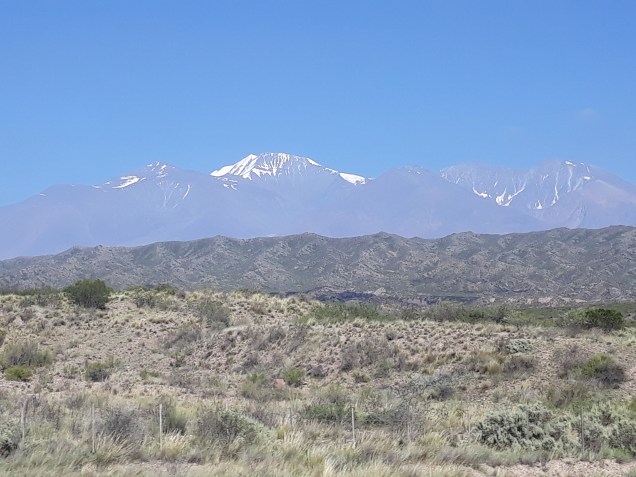
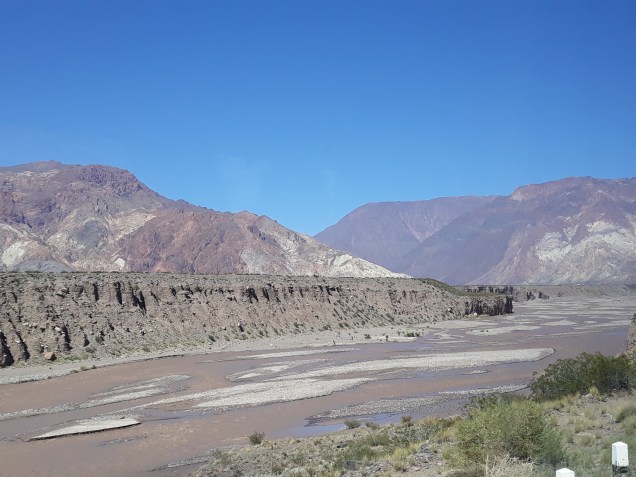
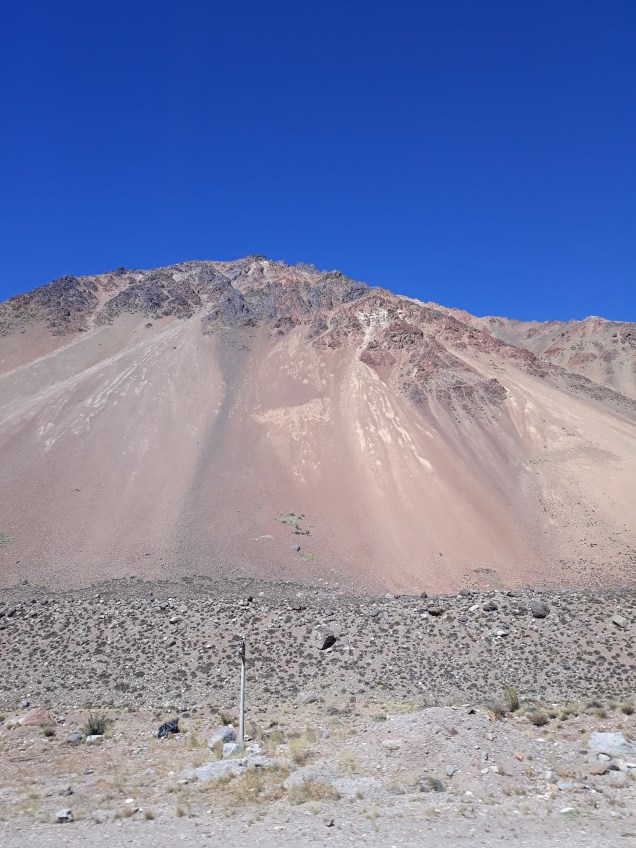
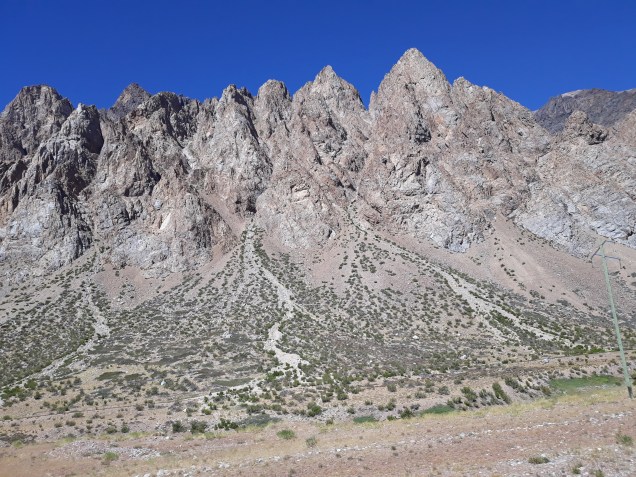
It’s time for a break and time to catch up

We have arrived in Colanchanga, a small village near Rio Ceballos in the Cordoba state. We arrived in Cordoba at 830 on an overnight bus from Mendoza and took a local bus to Rio Ceballos. Our host met us at the station and took us to the markets and panaderia on the way to our cabin.

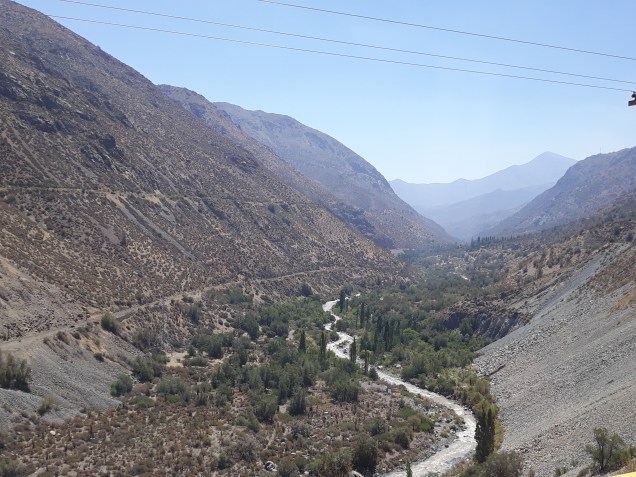
Our accomodations are hosted by Else and Vlad, with whom we share mutual friends. It is an excellent site to unwind for a week. After a month in the largest cities in Argentina, Uruguay, and Chile, we are ready for a period of quiet. This place is a perfect location for that. Else gave us a tour of the trailheads in the area, and we will have lots of outdoor time. The nights will and dark, allowing us to see the Southern night skies much clearer than our previous locations.

We did see something of the night sky in Uruguay, but the area was flooded with artificial light. When we saw the Southern Cross for the first time we understood why we came this way. With apologies to Curtis, Curtis, and stills.

There is no telephone signal but there is internet through WiFi, so we can keep in touch. If you need to reach us, use What’s App, since SMS service is unavailable.

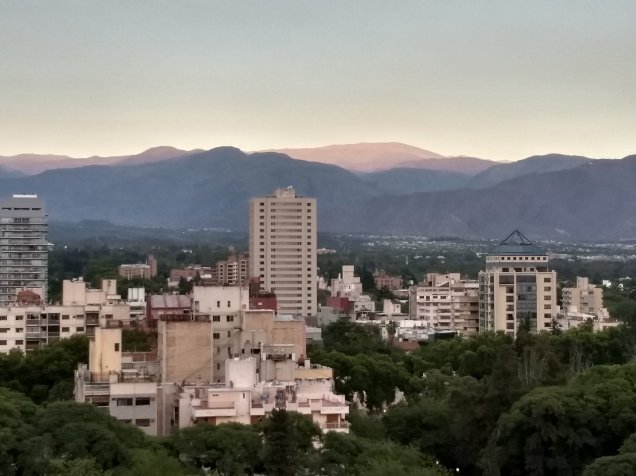
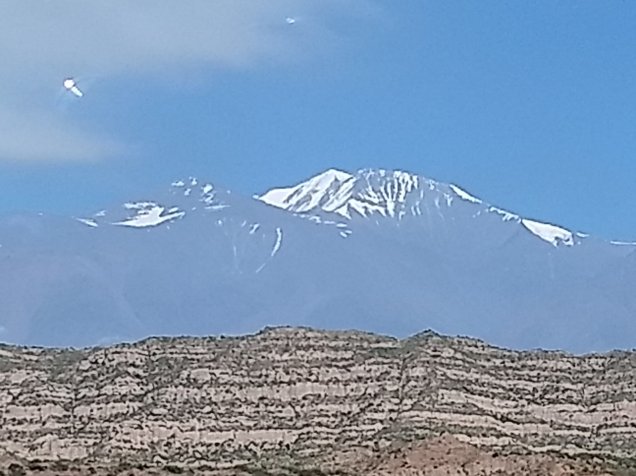
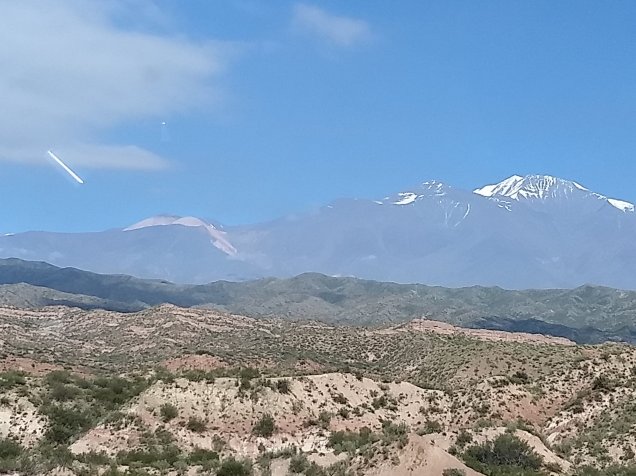
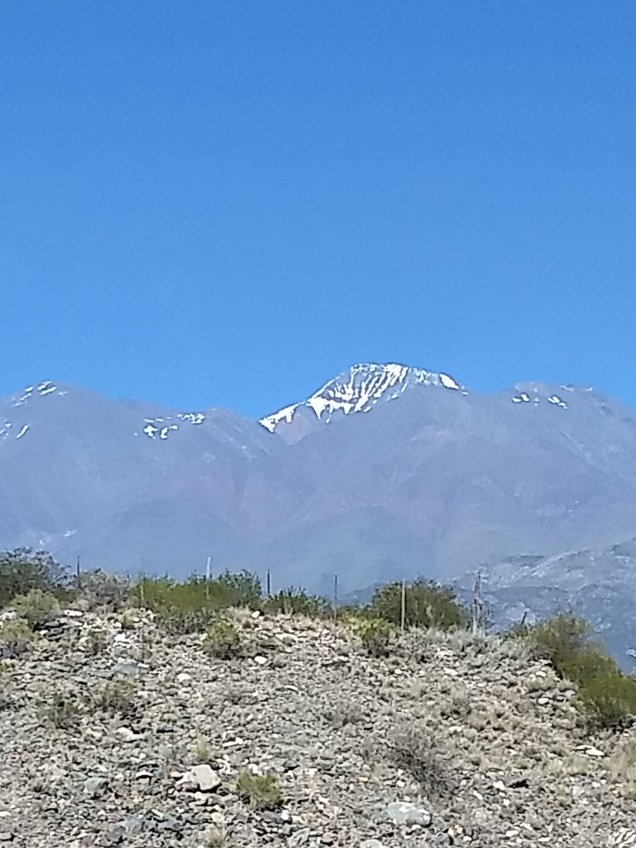
For the next six days our days will mostly be spent walking in the beautiful forest, reading, writing, and an ocassional bus ride into Rio Ceballos. Right now it is late afternoon and the sun is bright in the western sky and it is difficult to take photos that do justice to the location. Those will come later.

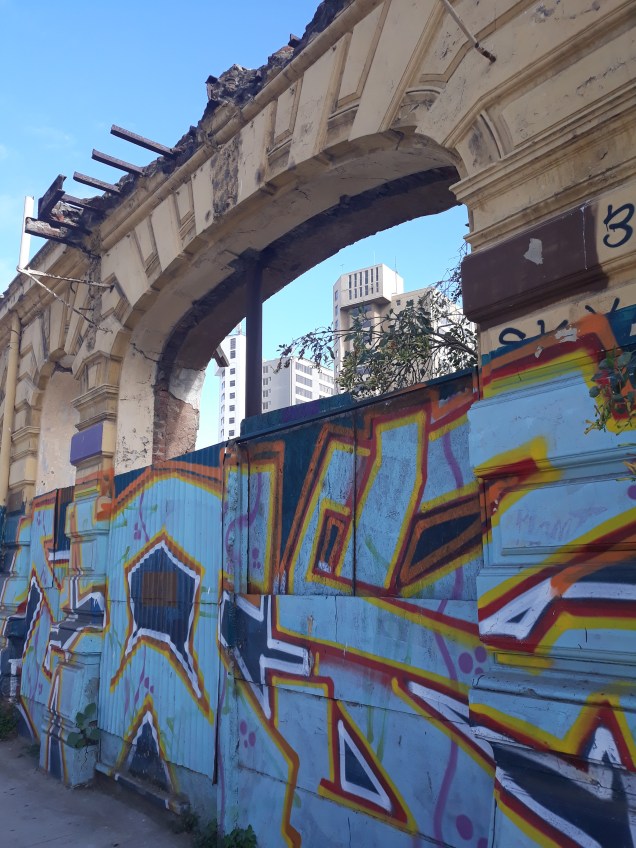
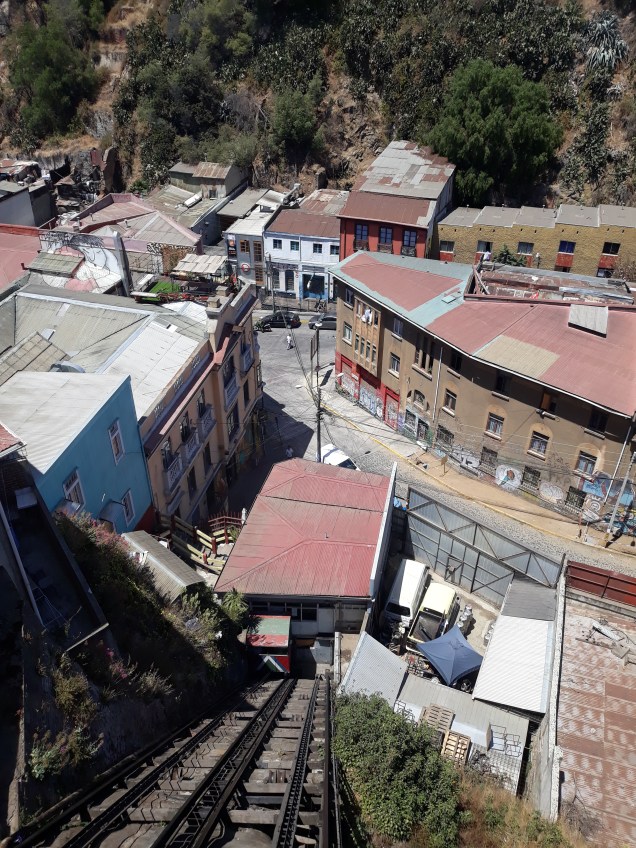
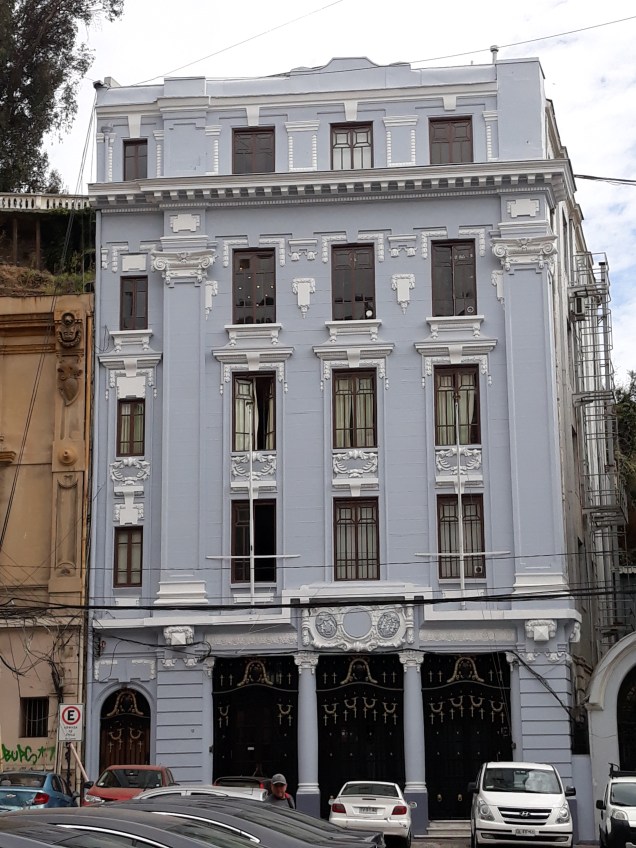
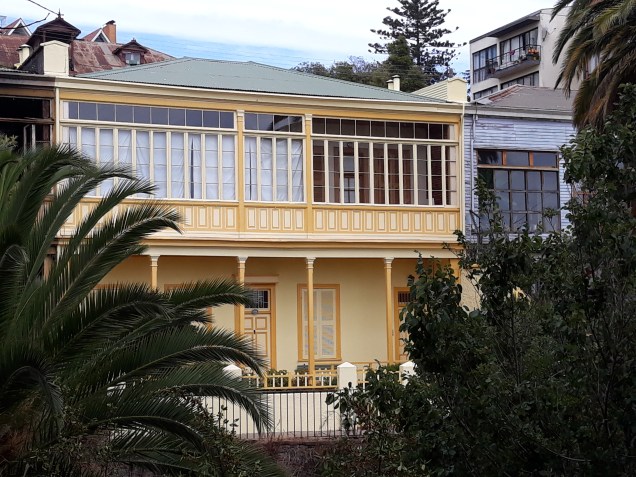
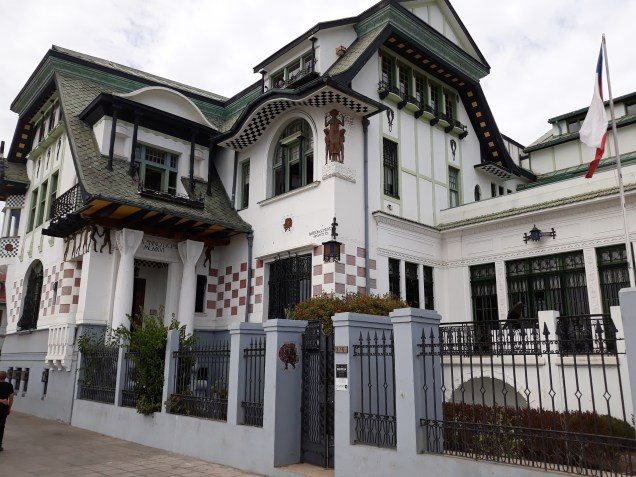
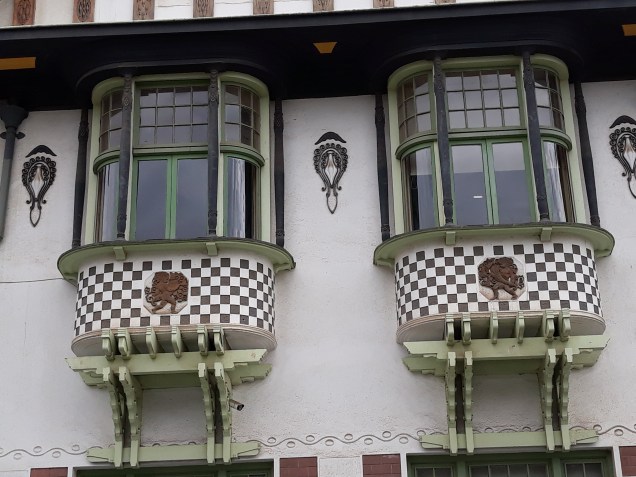
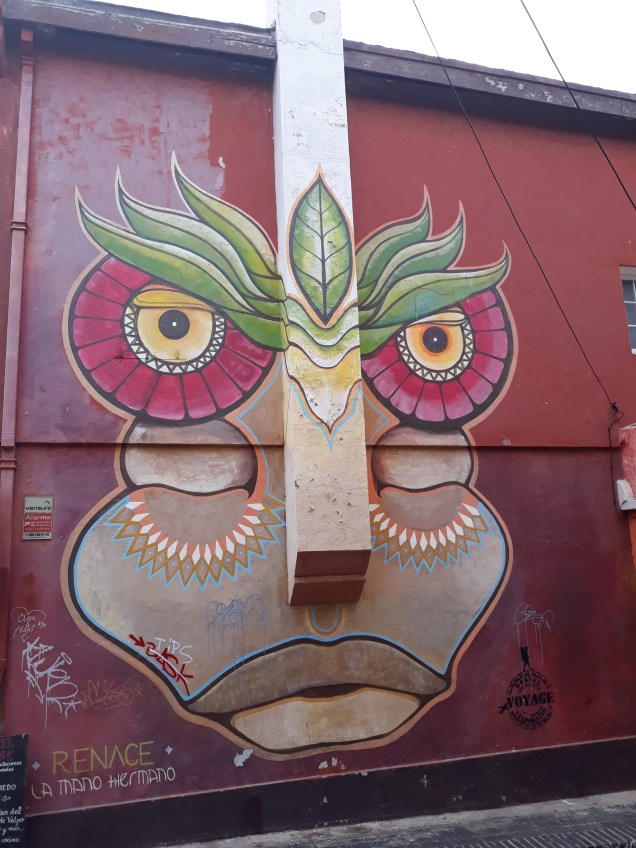
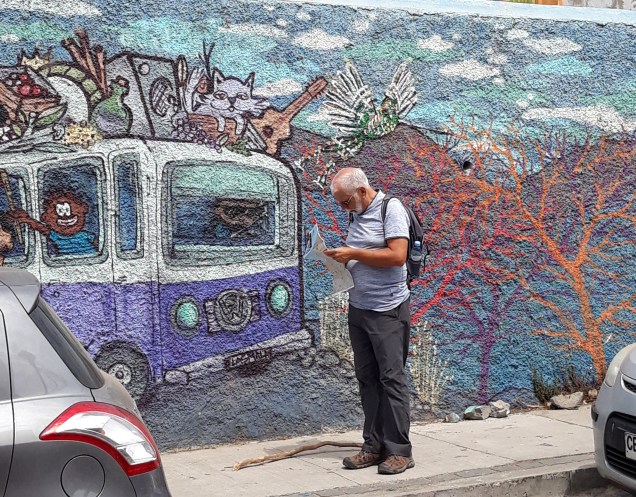
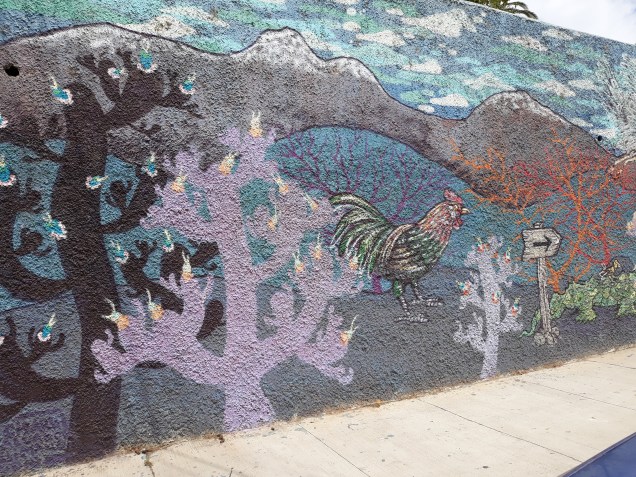
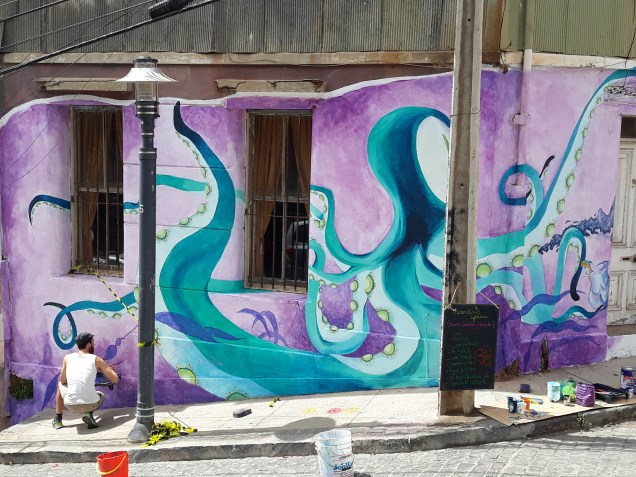
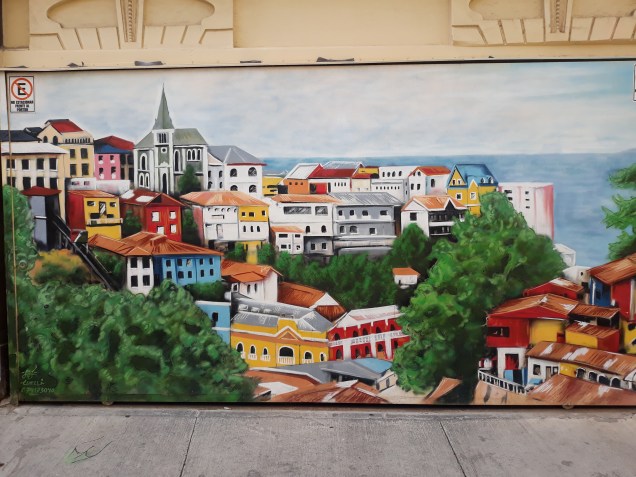
We also recognize that we have fallen behind on reporting our travels to Valparaiso, Vina del Mar, and Cacheuta.

We’ll be catching up on that in the next few days.

Charlie

A partially true story

A relatively short walk from our apartment is the Cerro San Cristobal, a mountainside park with a wide variety of attractions. Upon approaching the park a queue has formed at the funicular entrance. The funicular travels up the mountain side stopping first at the zoo entrance and then at the Santuario Immaculada Concepcion.

At the top of the stairs a giant statue of the Virgin Mary appears to gaze out on the Ciudad Santiago. As far as Catholic iconography goes, I think I would prefer to live in a city that was overseen by the Mother Goddess than one under the watchful eye of a Redeemer.

Last year we spent a week in the Portuguese city of Viana do Castelo. We were fortunate to have arrived on the first day of a Medieval Fair in celebration of the City’s seven hundred and somethingth anniversary. It was in that city, having taken a funicular to the hill top Santuario de Santa Lucia that I came to understand the difference between competing sects of Catholicism: one focuses on Mary, Divine Mother who gives birth to the world and suffers silently as what she has created passes from existence;, the other focuses on the Son, the redeemer who suffers the burden of sin and through suffering creates the possibility of salvation.

Mary looks down to her admirers, saying to them “you are the ones I created and that I adore. You will always be ones who I love and accept.” The crucified Christ turns his face away, as to say, “do not tell them that, Mother, for if it is true then I have suffered and died in vain. Here are the words I want to be said: I have suffered as you will suffer, and through that suffering you will be purged. And if you repent, you will be saved, and if you do not you will be consumed by fire.”

I ask myself, do I need forgiveness? I am a flawed creature as are all of us flawed creatures. All of us become who and what we are, some better than others, but is falling short something to be forgiven, or something to be accepted? I prefer the message of acceptance over the notion of forgiveness.

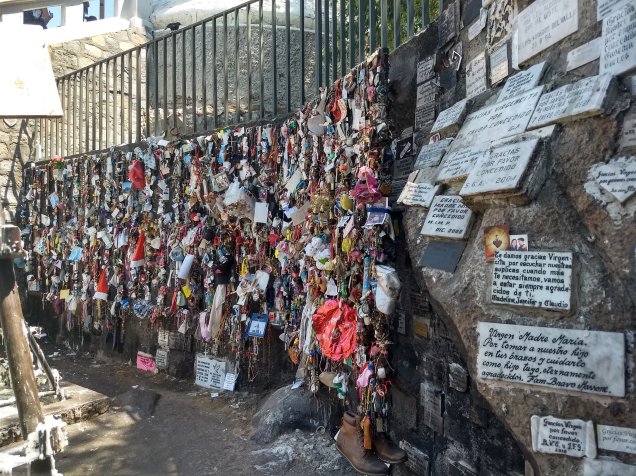
In Santiago, standing at the feet of Mary, I see a small area containing racks of melted candles and a wall of offerings left by the faithful. Some ask for relief from life’s burdens and others offer enduring gratitude for a promise fulfilled. I sense the voices crying in unison “please hear my prayer.”

I approach the wall, sensing the reverence of the space. I hear and American voice: “What is this?” A response: “Some knick knacks.” I turn to the men and say “they are offerings.” “Pagan Rubbish” is the reply. I wonder why someone would even care to enter such a space with such an attitude.

I try to accept the men who seem to know their truth well enough. I return to the wall, thinking of the powerful emotions that bring people to this place, to make whatever pact they do for the attention of their devine mother. I feel the hope, the sadness, In a previous time I would be among them, asking for relief from pain. Perhaps, if I was not so proud I’d ask for it now. “Please heal my knee.” I puzzled over the relationship of pride to acceptance.

I hobbled down the stairs, and there were a lot of them, still feeling the emotion of the visit to the Santuario. I did not connect that experience with the realization a few hours later that the pain in my knee was completely gone.

Some graffiti Paula reported from a restroom shortly afterward: “The world is what it is and not what some son of a bitch named Einstein says it is.” Now that is some cynicism I can get behind.

Charlie

Valparaíso & Viña del Mar

Valparaíso

That’s where we were yesterday and that’s what I’ll address today, though I didn’t write about the day before. Maybe I’ll write about today later.

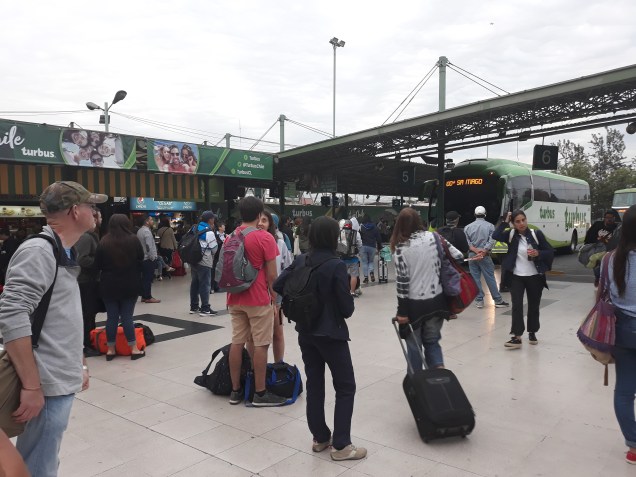
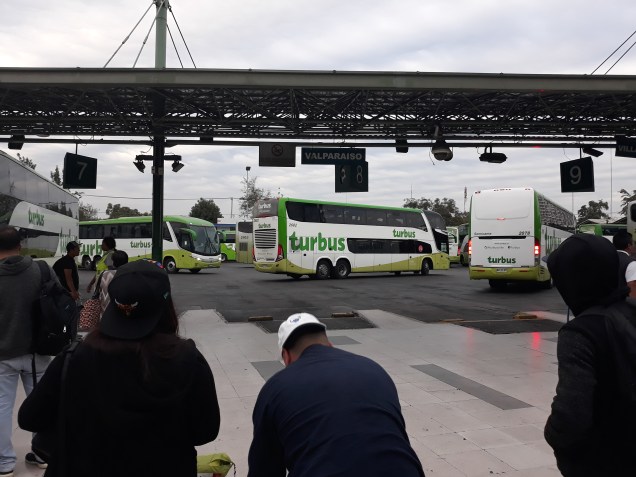
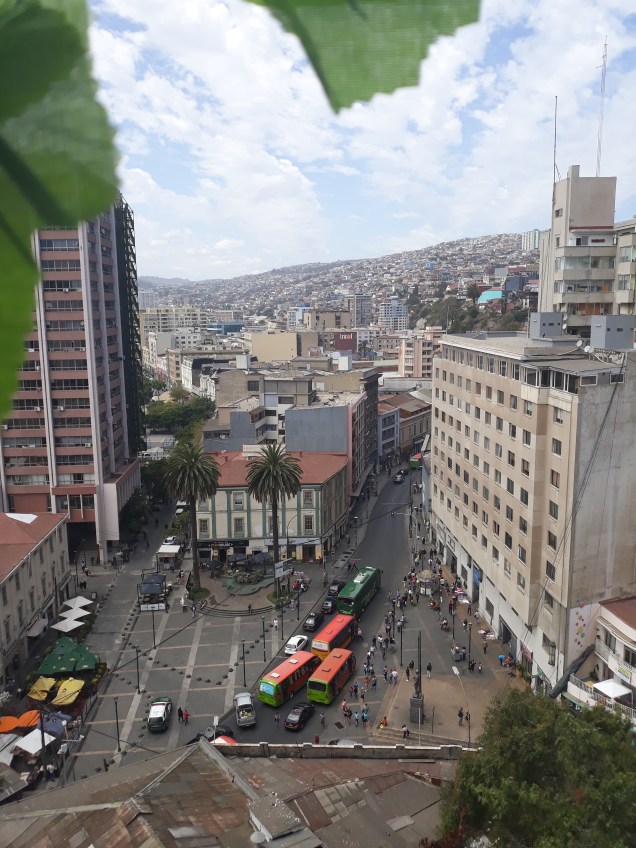
Valparaíso is a port city. Which means that it’s a big city. But within that big city is a small Unesco World Heritage site up on a hill part of the city that has charm and old and new world sensibilities. That is where we spent part of the day. But before we get to that we had to get there. Here is the Santiago Bus station at 8 am. Lots of people on the move. Lots of buses moving them. All of them full. And this part of the bus station is just the turbos bus company. There are several others: Pullman, Andesmar, El Rapido, Flecha…

20190211_07521620190211_075834

The ride was a pretty quick 1.5 hours spying vineyards along the highway, as well as some urban sprawl in terms of what looked like bedroom communities. For a while, we went through some dense fog.

20190211_092217

Arrival in Valparaíso was strange. It was cold, for one thing. It was rather ugly.

20190211_102841Nothing charming about that area of town. Except for the open air market. There is no shortage of food, I’ll tell you that. I was wishing I could go shopping and go home and cook. It’s one of the better fruit and vegetable markets we’ve seen here and the prices were less than we’d seen other places.

We made the mistake of not stopping into the Info center at the bus station, instead walking toward Plaza Sotomayor. It was a fer piece, but easy to get to. Again, not lovely to walk to and with a derth of the cosy cafes we are used to seeing. Plaza Sotomayer had a few utilitarian cafes and we pooped out in one of them. This gave us the pep we needed to begin afresh. A tourist info center was close by; availing ourselves of the friendly help within, we were soon on our way up, via funicular to artsy old Valparaíso, which is known for its street art as well as its architecture. Following are some pics, starting with a view from the funicular, which got us up a very steep hill.

20190211_141849

20190211_11470120190211_115538

This is the Museo de Bellas Artes. Unfortunately, as this was a Monday, it was closed.

20190211_12010120190211_120348

Street Art

20190211_121155

Charlie has such a good sense of direction and so loves to read maps that I find myself being rather lazy in that regard. It’s relaxing to allow him to do the work. But sometimes, these old cities are confusing in their layout and it takes both of our eyes and minds to decipher our whereabouts on the map and then to determine where we’re going. When I travel on my own or when my mom and I traveled together, I am quite capable of getting around and about.

20190211_122148.jpg20190211_12245820190211_12265020190211_124649

More architecture – and loving these colors!

20190211_121308

As we walked up the street, I noticed ant stencils placed at fairly regular intervals. How clever the the proprietors of this establishment are!

From the next few photos, you can see just how densely populated it is and get a sense of the verticality of the place.

20190211_131315.jpg

20190211_130820

I just don’t know how the world can sustain this population. It’s just explosive. When I’m in a big city like this, my mind reels with the sheer numbers of apartment buildings, the number of apartments within those buildings, the fact that they all have running water and plumbing. How does it get there and where does it all go?! Multiply this one city of Santiago, population of 5.6 million in 2017, by the tens of thousands of other big cities, and it could drive me to drink. Which reminds me – time to take a break and go out to try a Pisco Sour, info following in case you’re interested.

Ingredients: 1 oz Lemon Juice, 1 Egg white, 1 1/2 oz Pisco, 3/4 oz Simple syrup
Preparation: Vigorously shake and strain contents in a cocktail shaker with ice cubes, then pour into glass and garnish with bitters.
Served: Straight up; without ice
Standard garnish: Angostura bitters
Drinkware: Old Fashioned glass (I’ve also seen them served in flute glasses.)

I’m back. Slightly the better for the wear to take an old saying and update it. Much like life for those of us of a certain age. We’re slightly better for the wear – in some circumstances, anyway.

Viña del Mar

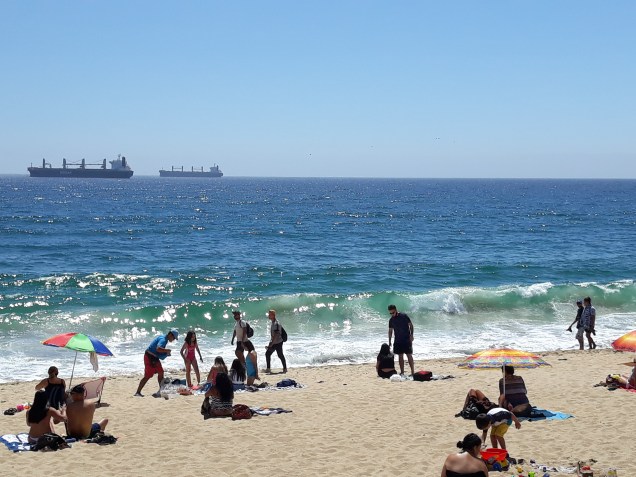
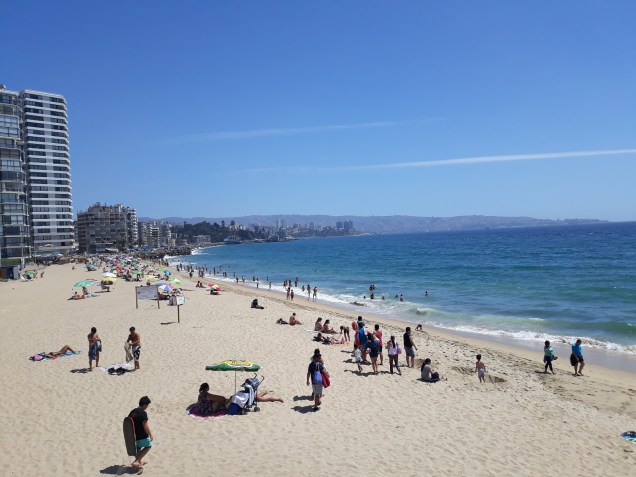
Since we got an early start (unusual for us!), we decided we had time to take in Viña Del Mar, just 20 minutes away by local bus. Of course we had several bus number possibilities that we should take to get us there. At a bus stop I asked a driver of a bus, with a different number than any of the 5 given to us, if we could get a bus to Viña Del Mar from that stop. He said, “I’m going to Viña.” A passenger piped up, “Shopping?” I said, “to the beach.” We were motioned on. Now we had to figure out where to get off. Ask one person and several are happy to help you. I love that! In fact, we got off at a better place than tourist office guy said. Bigger beach, fewer people.

The waves don’t look like much in the photo, but they had a very strong undertow and came crashing down close to shore. In fact, the red flags were flying and the signs said not to swim. Yeah, right. The water was grand; cold, but not too.

20190211_15183420190211_153213

Other than the beach and the water, I don’t have much to say about V del M and don’t know that I would recommend it for more than a few days. But, we might have missed a critical area. We met a couple from Canada who went on a 3 hour  and said it was the best ever. They were effusive. We’ll never know.

Sometimes in travel, things work out – like getting to a better beach. Sometimes they don’t – like it being a Monday and the museum’s closed or timing is off. Still, here you are in another country and it’s beautiful.

To end today’s post, I’m going to put a plug in for Charlie. On Sunday we went to the Museo de Memoria y Derechos Humanos. It was not a lighthearted romp. I won’t be writing about it. Charlie has done so – and beautifully; I recommend you read his post.

Whose memory is this, anyway?

September 11. It goes without saying but I’ll say it anyway. Anyone in the US can muster a lot of memories about that day. But a different “that day.” I am thinking of another specific September 11, the day that changed a society forever. It was the day tanks rolled in the streets of cities throughout the country. The President assassinated, even if by his own hand. After that September 11, the generals governed for fifteen years through harsh and brutal oppression. Yes, that September 11, the one in 1973.

The Museo de la Memoria y los Derechos Humanos is situated in a working class neighborhood in Santiago and documents the coup that ousted Salvador Allende: President of Chile; socialist; champion of the people. A man democratically elected to office and violently exiled from the Earth. The coup and its aftermath is laid bare through film, news reports, recorded testimony, and documents, including reports from the truth and reconciliation committees. The museum is dedicated to preserving the memory of the coup, the suppression of human rights, and the resistance mounted by individuals and institutions.

We were in the Museum for several intense and emotionally exhausting hours. The images and stories were heartbreaking in their frankness. We saw the photographs of the mass graves, instruments of torture, detention facilities, and many faces of the 38,000 people who went missing or were murdered by the Pinochet regime. I left the museum in a dark space, deeply troubled by our history.

And yet, there was something missing. Neither the audio guide nor the presentations addressed the question, “why did it come to this?” I saw no presentation on the cold war geopolitical struggle between two superpowers. There was nothing said about the competing purposes of the President and the Congress, reflecting not just the global power struggle, but the contradictory claims of legitimacy from within the country itself.

It is not a justification, but it is part of history that the military intervened, abolished congress and established a regime to “stabilize” the situation. Fifteen years of repression and resistance followed.

The exhibit did not appear to look at the precursors to the coup. It left the impression that bad people performed heinous crimes and horrendous abuse on ordinary people. The crimes were horrendous. The abuse was inhumane. There is no question about that.

Solzhenitsyn is often quoted “the line separating good and evil passes not through states, nor between classes, nor between political parties either — but right through every human heart — and through all human hearts.” Ultimately the violence and abuse is due not to the goodness or badness of people, but to our willingness to allow ourselves to become convinced of the rightness of a call to action, and to deceive ourselves into false rationalizations.

I see it happening in our society now. The ideologically possessed, acting on the left and the right, assured by their convictions call forth the forces of darkness to serve the ends of their ideology. It shows up on the faces of ethno-nationalists advocating for racial purity, and it shows up in the voice of a late night “comedian” stating his desire to punch the face of a teenage boy because he is white and conservative. It is where Antifa rioters terrorize citizens and riot to demand the suppression of speakers in public spaces.

Ideology dehumanizes. If there is something to remember from the Chilean coup, it is that. When we allow ourselves to be possessed by ideology we dehumanizes others, and in the process we dehumanize ourselves.

The Museum of Memories and Human Rights is a reminder. It is also a warning.

Charlie

Santiago de Chile

I think it’s interesting that this city is titled as it is: Santiago de Chile. It struck me today that in less than one year we have been in Santiago de Compostela and Santiago de Chile.  And they couldn’t be more different. Well, I guess they could be more different, but the point is that they are different. In fact, I was ruminating on the differences among cities. I can’t necessarily pinpoint the exact differences, but they are there. I wouldn’t mistake Barcelona for Montevideo or Buenos Aires for either of the Santiagos or Santiago for Mendoza or Oaxaca. Each has it’s own particular feel, rhythm, layout, qualities. The sidewalks are pretty much shit in any of them. Actually, there’s less dog shit on the sidewalks of Santiago de Chile than other cities. That’s something.

We did’t get out of the apartment today until around noon. I had a late night, up posting until 1:30 in the morning. And as it was a Friday night, there were lots of festive gatherings in the apartments in our building. And as it was a Friday night, and this is Latin America, we expected parties until the wee hours. Plus, it was pretty hot and the apartment is without air conditioning, so sleep was a little challenging. But, that’s the beauty of travel and being out of the habitual. We didn’t have anywhere specific to be and where we wanted to go was there at cualquier hora.

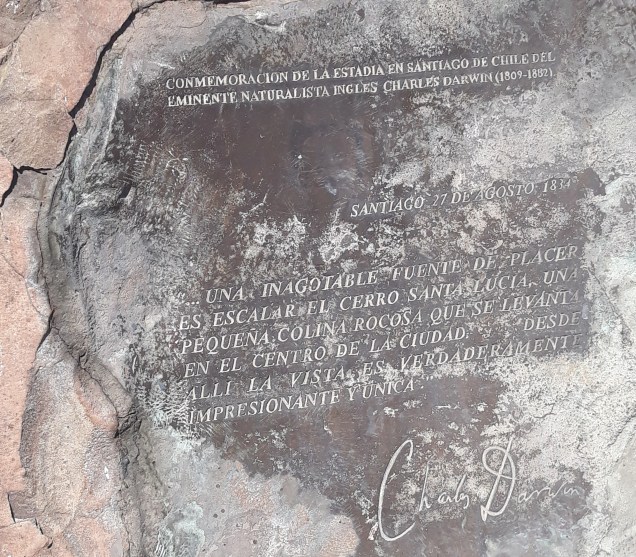
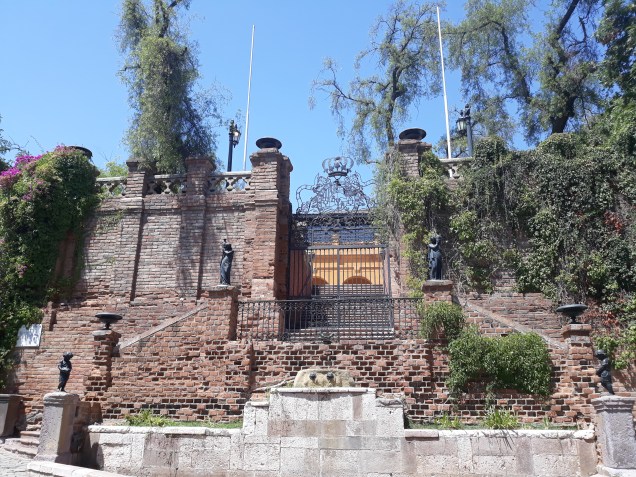
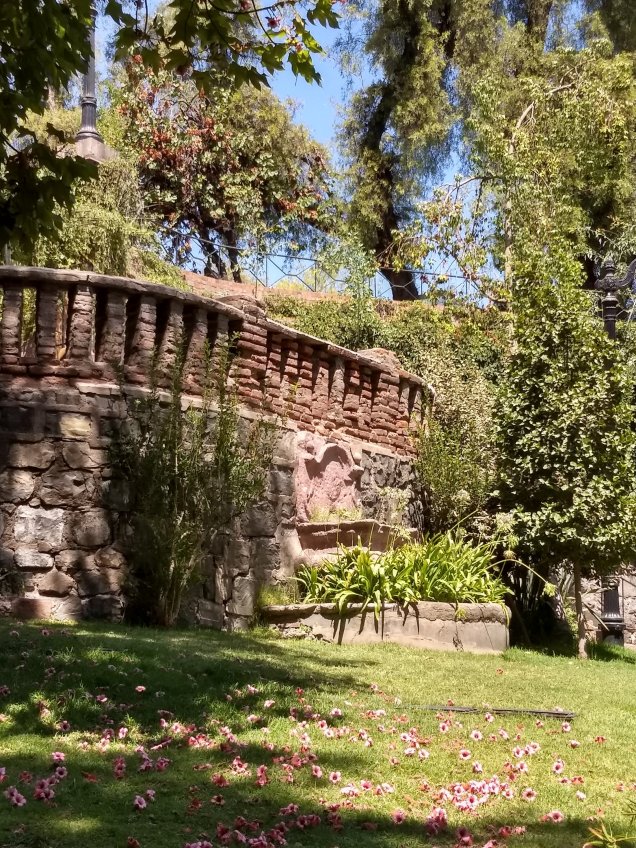
So, where did we want to go? Cerro de Santa Lucia for one, which is right down the block form our place. It’s a rocky promontory in the middle of the city. Charles Darwin has a memorial with his words inscribed on a rock face.

20190209_130442.jpg

Of course, being on a high point of land, a fort is located here. The gates were closed and we couldn’t tour it. So different from forts in Portugal. Then, it’s a history unique to the region.

20190209_124627

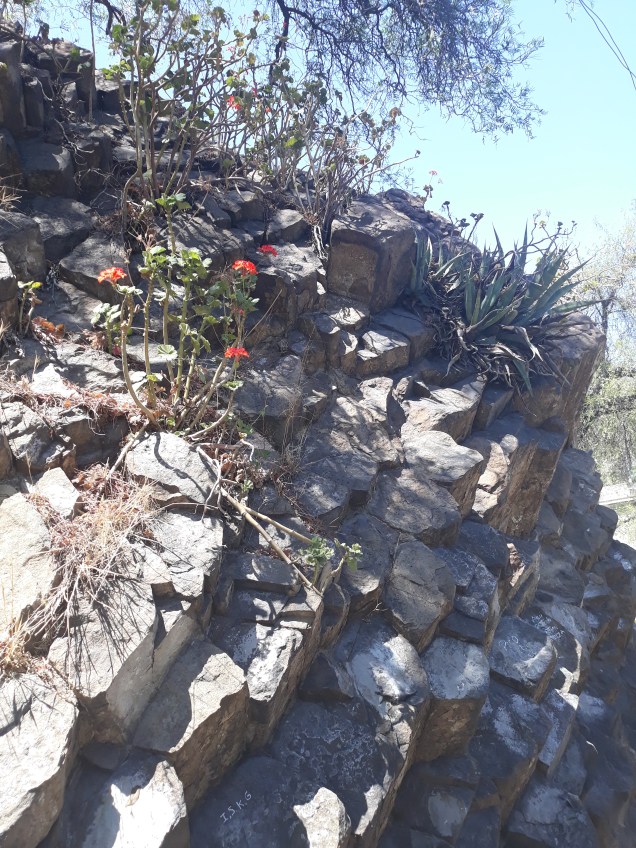
This photo gives an idea of the rocky promontory upon which the fort was built. The rock formations are like columnar cubes. You can see that they were formed horizontally, then some cataclysmic earth movement pulled them up and out and sideways. Then Mother Nature added her own beauty to the scene.

20190209_131141

As Chile sits on the Ring of Fire, this type of geophysical activity is to be expected. The last big erthquake was in January of this year at 6.5. Prior to that, the last major quake to hit wa in 1960 and it was recorded at 9.7 – the strongest ever.

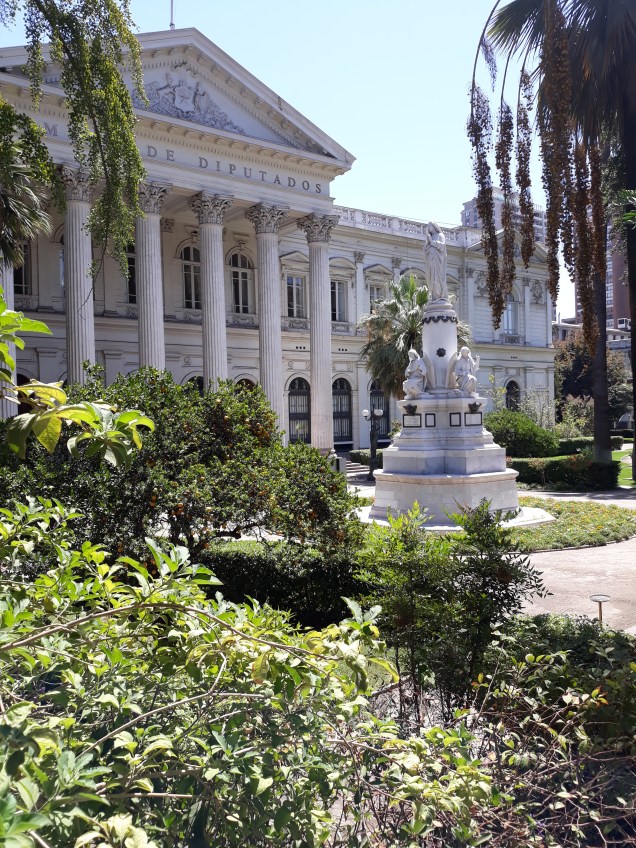
I love the juxtaposition of old and new buildings that can be found in cities. So, what I wonder is, how did the old buildings withstand the earthquakes and how are new glass buildings being constucted to be able to withstand the earth’s upheavals? I know there’s an answer to that; and I know that it’s probably far more technological and complicated than I can handle.20190209_13392020190209_13531720190209_144729

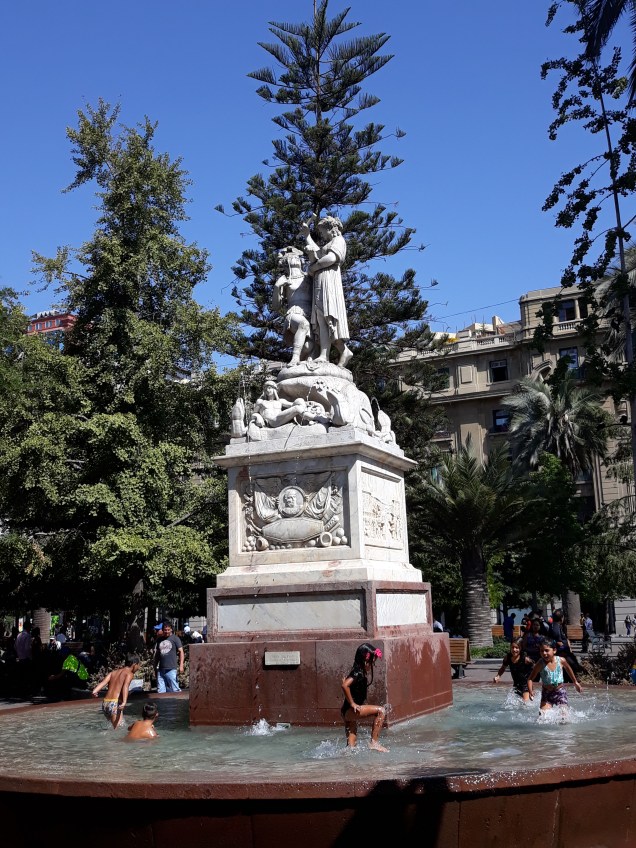
Here is something that I just love about this city. Children are allowed to play and swim in the fountains! The carabinieri were right there. I was surprised that there weren’t more children in the water. It was a hot day. And this is a big city.

20190209_163609

Hey. We went shopping in Paris today. That’s a big department store. I decided I needed a new t-shirt to replace the dingy white one. Ed/Charlie needed new swim trunks.

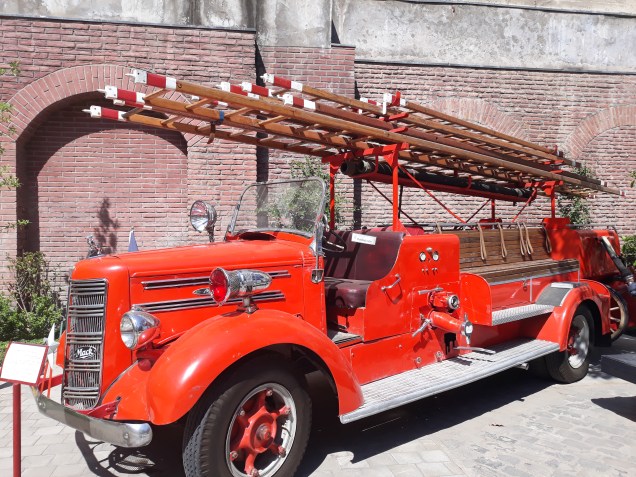
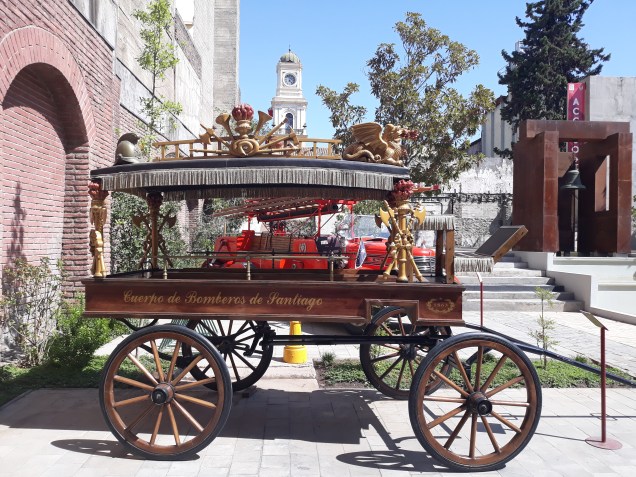
On a more sober note, here are a few pics from the Museo de Bomberos. I’ve noted that in each major city we’ve been in here in South America there is a museum to firemen. Generally the old trucks are restored by volunteers. That both impresses and humbles me.

20190209_16264220190209_162719

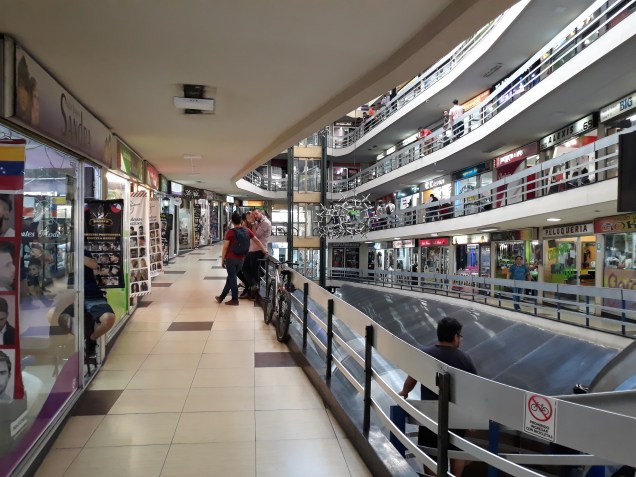
Check this out. This mall type structure consisted of salons – hair, nail, depilatory, barbers, all on three floors. The lower floor is an arcade. Wild.

20190209_164514

And this shop sells dolls and figurines. Who is buying this stuff? Find Piglet for extra points. And is that Bud Lightyear?!

20190209_164836

One thing I do love about latin countries is the predominance of small shops catering to specific needs: paint, underwear (ropa interior – how I love that phrase), cell phone needs, household items, chicken take-out… There are all of these small businesses that somehow make a go of it. I assume they make a go of it – there they are, after all.

Today at lunch Charlie thwarted a would-be thief. This guy came and sat at a table next to us. My back pack was on the ground at my feet. Boom! Next thing you know, Charlie grabs the pack, the guy non-chalantly gets up and leaves. Charlie saw him bending over and finagling his own bag, saw my pack moving and grabbed it. So, now the pack goes between my feet. Of course, I don’t keep anything of value in my pack. I carry it for water, hats, and in case we buy something. Argentina and Chile are both countries that charge for providing a bag, whether at a department store or a grocery store. Uruguay still provides plastic bags at no cost. Curious.

Once again, the hour grows late. And I am off to bed. I wish you all sweet dreams and pleasant days – wherever you are in the cycle of time in the world.

Love, Paula


Santiago

I’ve always been a bit arrogant. Maybe, according to some, more than a bit. I’ve noticed as I get older I compare myself to others who appear to be near my age. I notice the older men pattering slowly on the street, possibly with a cane or walker, and I think to myself how nice it is to be fully mobile, carrying a back pack and bounding up stairs and putting in a few miles before lunch when necessary. I’m certainly not like those old men.

Until last night.

It started as a mild discomfort and by the end of the evening the pain in my knee has become a serious distraction from my enjoyment of things. It appears to be a significant case of tendonitis developing that makes walking somewhat painful. “Is this it?” I wonder. Is this when I become an old man, or will by body once more forgive the abuse I’ve heaped upon it? Am I on the way to becoming one of those men who shuffle slowly up the street, blocking the younger and spryer folks from making fast, steady progress? In other words, am I getting to be that guy I think should get out of my way? Time will tell, I guess.

My temporary (if I can be optimistic) condition did not preclude a good long walk through the local environs, including Cerro de Santa Lucia and the Plaza de la Constitucion.

The Cerro is a park very close to our apartment that holds the Castillo Hidalgo, which was constructed in the early nineteenth century in honor of General San Martin following the victory against the Spanish in the battle of Chacabulco. That is what I could glean from the commemorative plaque at the entrance. It is now a wonderful park with great views of the city. Here are a few photos of the park.

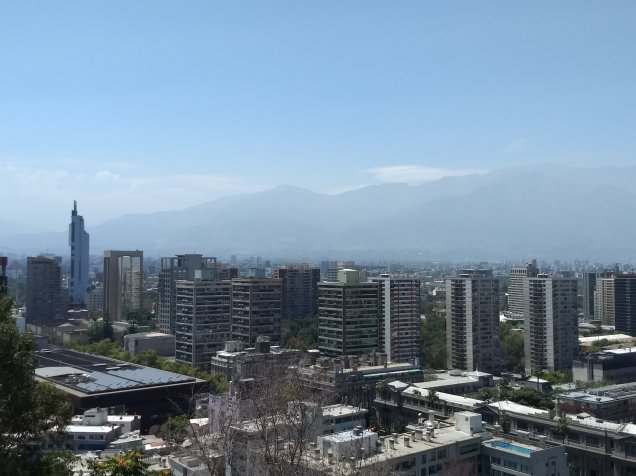
The park has a number of miradors with impressive views of the city and the Andes mountains in the background. We read that the Andes are usually somewhat shrouded in clouds or mists, a statement that fully conforms to our few hours of experience. Here are a few views from the miradors.

I had been expecting Santiago to be an old colonial city that had seen its better days, and was mightily impressed by the modern skyline. More impressive was the amount of glass wall construction for a metropolitan area prone to earthquakes.

Plaza de la Constitucion is a few blocks to the west of the Cerro, the streets to which contain a mixture of colonial and modern architecture.

Along the way we entered a shopping mall that held five levels of barber shops, hair and salons. Actually you might say they were all on one level since they were on the same spiral walkway.

The bottom floor was strictly for gamers.

We were taken by the pedestrian walk signals. Check out this short video clip to see how they encouraged people to hurry up as the lights were about to change. We watched for a number of cycles.

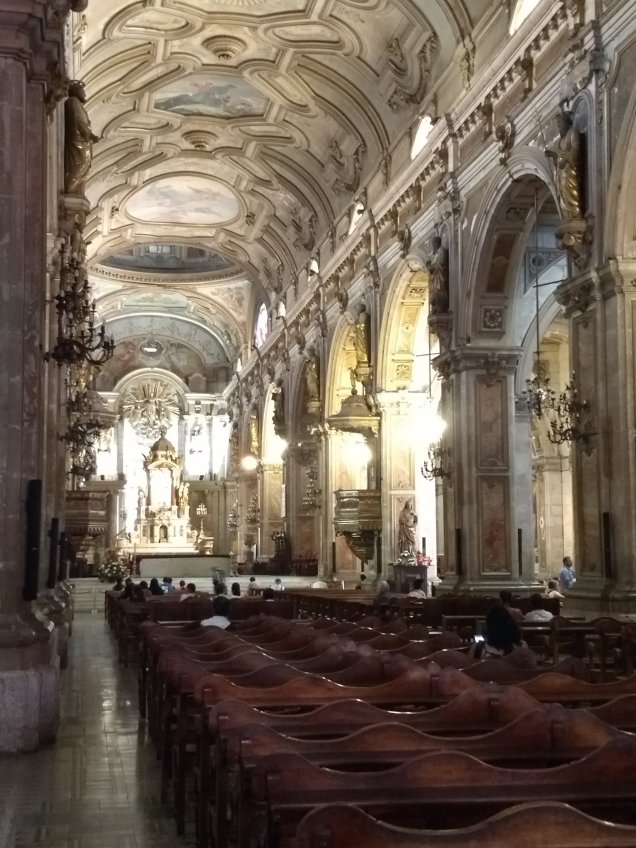
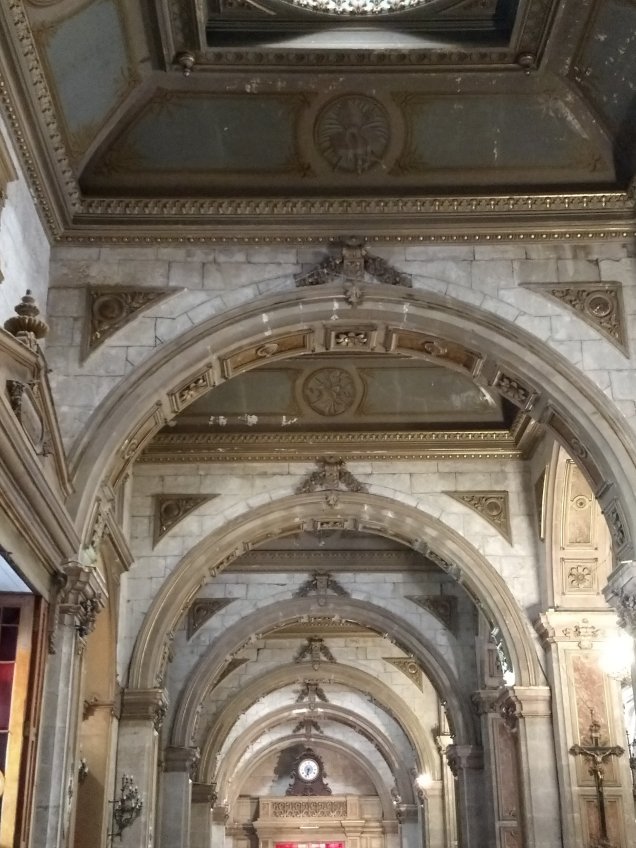
We also had to stop in to the cathedral. Paula pointed out to me that in the course of a year we have been in the Catedral Santiago de la Compostela and Catedral Santiago de Chile

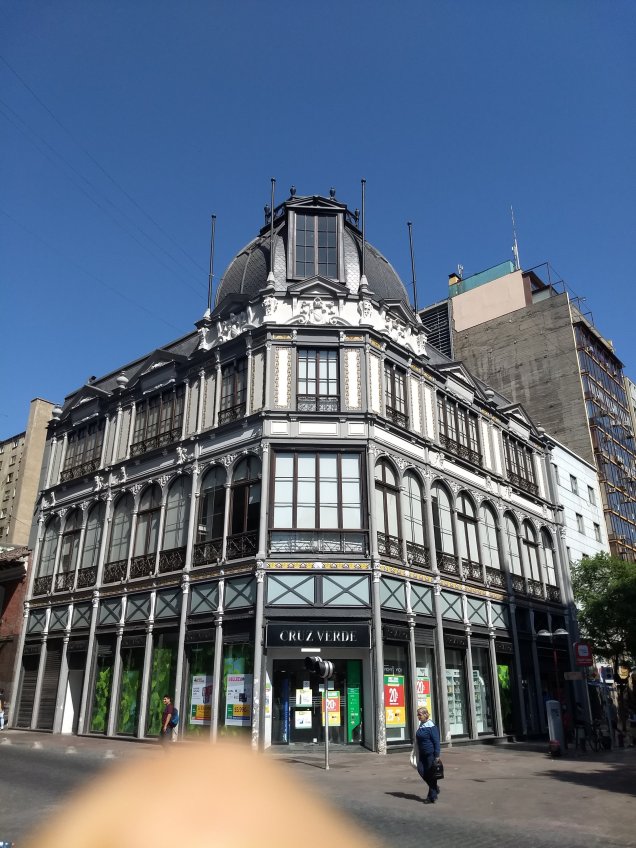
There are also many plain old colonial style buildings to capture one’s attention.

Watch this space for more of our journeys into Santiago.

Charlie

And now a word from our sponsor…

Well they are not really our sponsor, but I do feel the need to make a report to anyone planning international travel about cell phone service. Before we left New Mexico we changed our service provider to TMobile. It was strictly a cost cutting move. They offer a plan for people who are over 65 that costs 40 dollars per month, includes unlimited talk text and data in the US , Canada and Mexico, and unlimited text and 2G data in something like 140 other countries. I brought a second phone to South America so I could use a local SIM for data and calling. I haven’t tried it yet. The 2G data has been fine for accessing sites that do not use a lot of media. Our banking and credit card apps work just fine, as does Google maps and GPS. For more data intensive activity we just wait until we have access to WIFI. I’m just reporting in case you are planning international travel you might consider this option.

First day in Santiago

I fell asleep last night listening to a podcast on my Android and sometime in the night had a dream about my Aunt answering the phone with noone on the other end of the line. I checked my phone log this morning and found either my stomach or my autonomous telephone actually had called her in the night. My log also shows that I called a hotel in Barcelona a couple days ago. Not sure how that works.

Seeing those calls in my call log made me recall a conversation we had with an expat in the Santiago bus station shortly after arriving. He assuredly informed us that the NSA is monitoring communications from US citizens in Chile, implying that they can control our equipment due to the malware they install on our devices. I can see now that he is right, though why the NSA would want to disturb my Aunt in the night is beyond me.

Yesterday worked like clockwork for us. We got up early, walked to a nearby hotel that serves breakfast on the 14th floor so we could watch the first rays of the Sun illuminate the Andes. We got to see the first rays, then the clouds moved in to the east and then it was in shadows again.

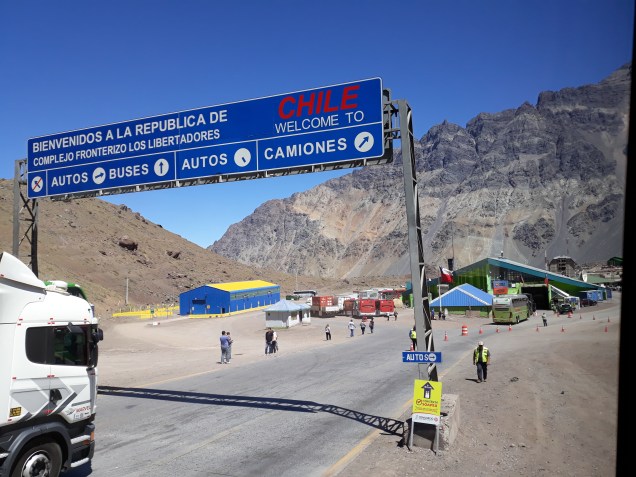
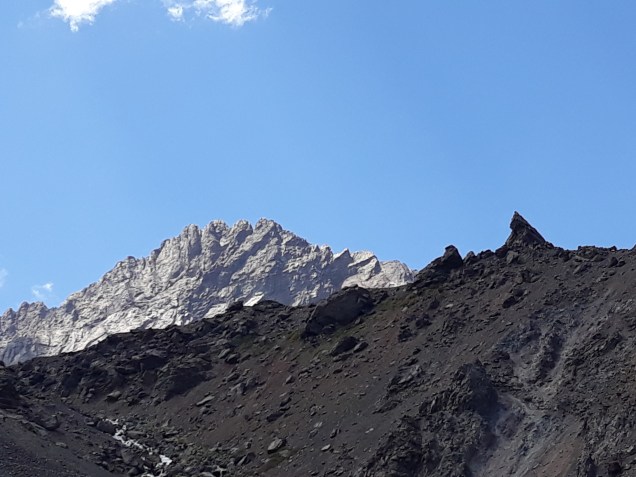
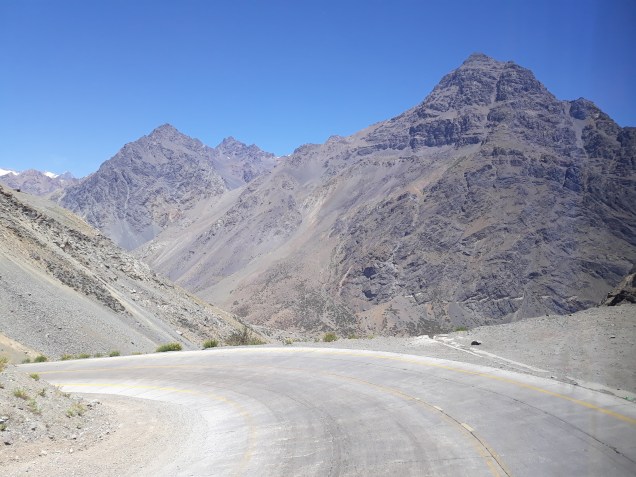
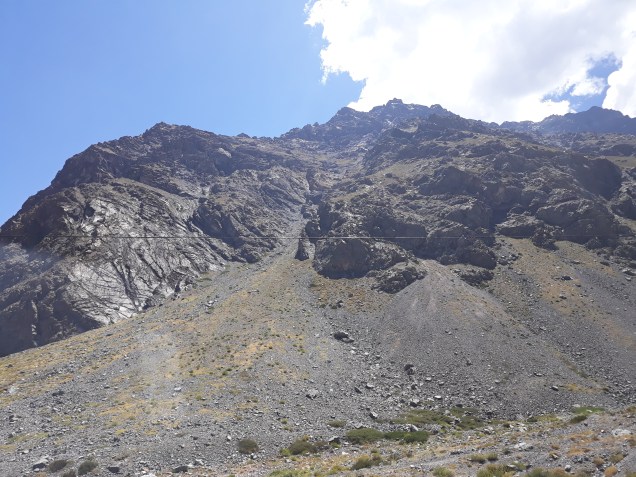
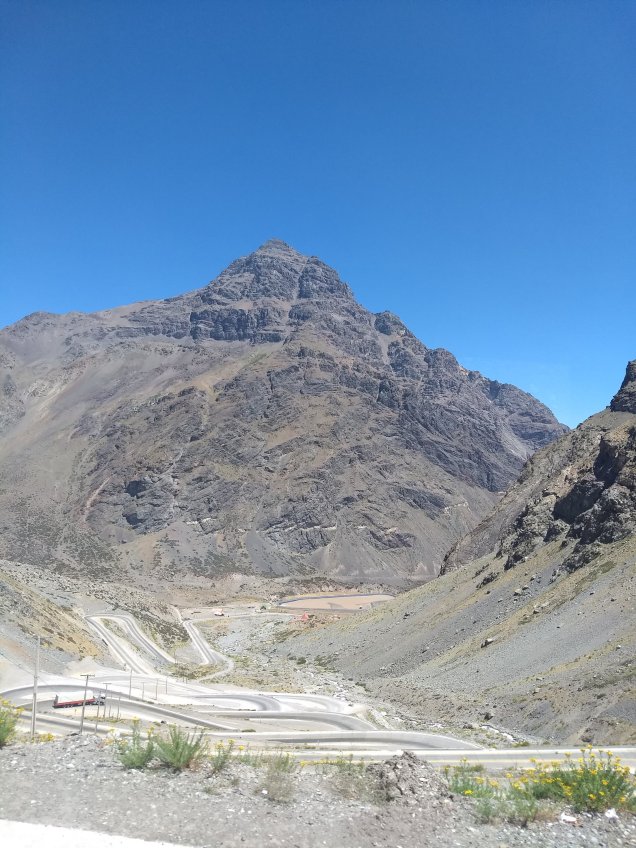
The sights during bus ride through the Andes were spectacular. From our upstairs seats we caught many great views, however I was a bit envious to the folks who had the front row seats since they had the full effect seeing the oncoming panorama. The formations of the peaks and valleys spoke of the incredible violence of the Earth’s formation.

Here are a few shots through the bus window, some of which are marred by reflections from inside the bus.

It took quite a while to clear customs at the border. Everyone had to get off the bus, go through passport control, have our baggage and persons scanned for contraband while the police scoured the inside, undercarriage and engine compartment. The biggest delay was due to there being many buses going through customs before us.

Santiago could be a poster city for the effects of population growth. From the time we got off the bus it was clear that we were walking where others were planning to walk and if we stopped we were clearly in someone’s way. I’ve been in crowded cities, of course, particularly Mexico City, where too many people are packed into too small spaces. I thought it would get better after we got out of the bus terminal and subway, but it did not abate that much.

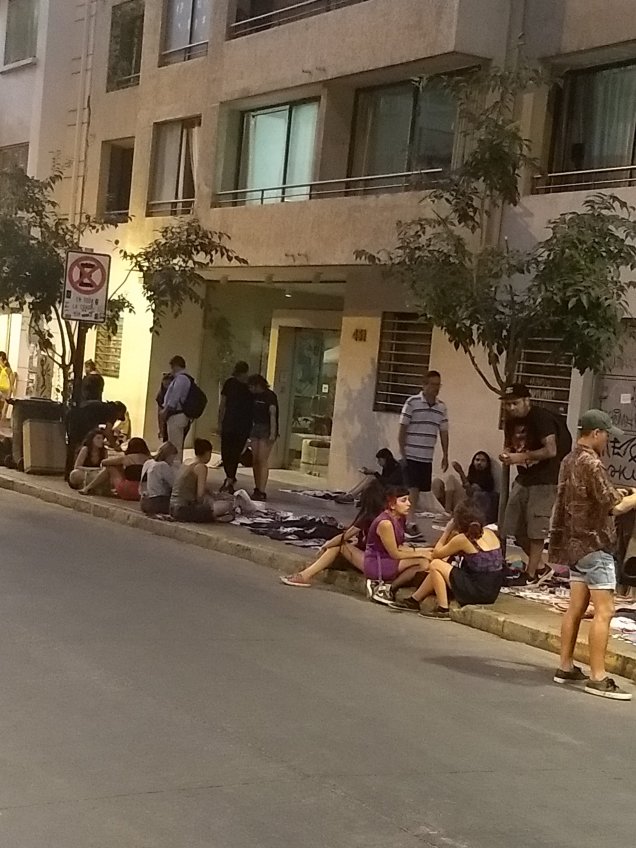
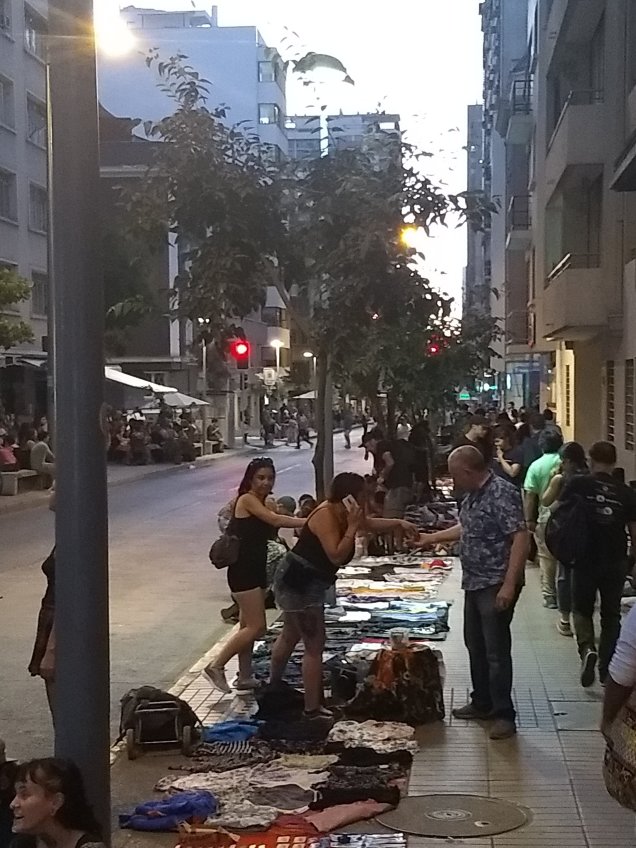
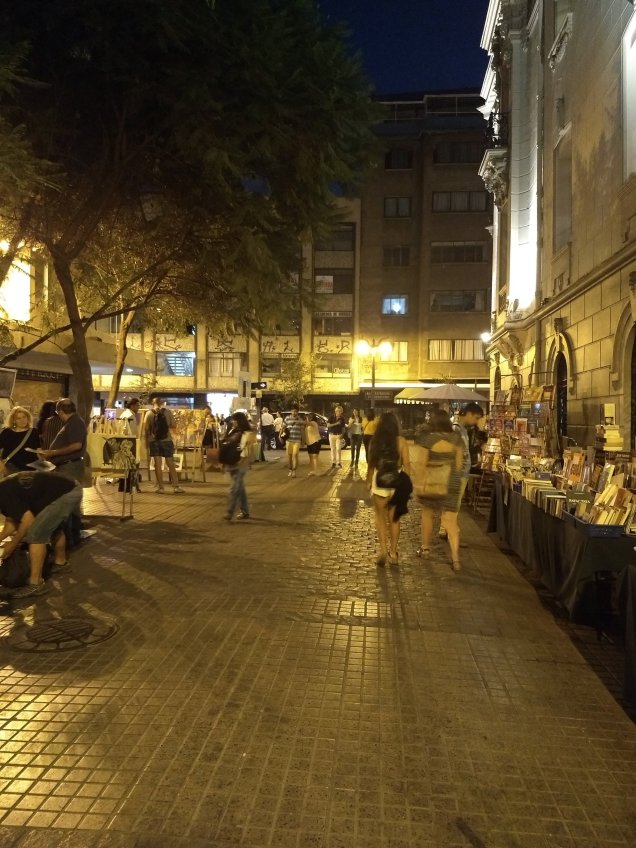
Our apartment is in Barrio Lastarria, a very cosmopolitan neighborhood with lots of pubs, cafes, restaurants and sidewalk merchants.

We look forward to seeing the city, but also anticipate a couple day trips to Valparaiso and Vina del Mar. We’ll not do those trips on the weekend.

After close to a month in Argentina we are a bit shocked by prices in Chile. Things cost slightly less than in the US, but significantly more than Argentina. Food is very expensive in the stores, which is somewhat surprising given its availability. Perhaps I have a skewed perspective since we are in a big city.

Sidewalk vendors line the sidewalks of this neighborhood, perhaps amplifying the crowded conditions. I watched one young woman lighting what looked suspiciously like a hash pipe, and checking on the legality of marijuana in Chile, found that Chile has the highest per capita marijuana usage in Latin America. Perhaps that explains the number of people walking into me better than the population density.

Later.

Charlie

Biking and Busing

Biking

Yesterday, as promised to ourselves, we made the bike and wine self guided tour, arriving at the shop by 10 am. Nico welcomed us warmly in perfect English and perfect Spanish. He grew up in Maryland, son of a US dad and Argentine mom. Because he sees so few tourists from the US, he gave us a discount on the bike rental.

The bikes were comfortable, for me anyway. Charlie has tender nalgas. No comment about mine. It’s always when I’m writing that I think, I should have gotten a photo! In this case, of the bikes lined up; of Nico; of Charlie on the bicycle. This is something I must improve.

It was interesting to ride bikes on the same street we walked the day before. This is the street with the opulent homes – photos I posted earlier. Kind of a deja vu moment, only without the mystery.

The roads we traveled for the wine tour were pretty well trafficked. Not in line with my vision of bucolic, quiet and breezy country roads. Didn’t matter. It felt good to be rolling along instead of walking for a change.

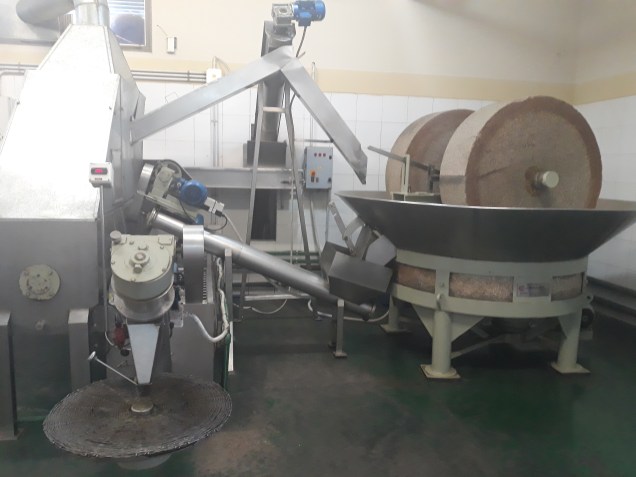
Our first stop was to an olive oil producing facility, Pasrai. Argentina is the largest producer of olive oil in the Americas and the eighth largest in the world. Most of it is virgin or extra virgin. Our guide informed us that the virgen, EVOO, or just plain olive oil versions have to do with acidity and therefore taste. The lower the acidity, the better the olive oil. Look for between .01 and .08. If that is even listed on the label.

Did you know that you can become certified as an Olive Oil Sommerlier? The International Culinary Center has a course this May 13-18 in New York. The January 20-25 course in London sold out. How much might this cost, I wondered. Level 1: May 13-15 from 9 am to 4 pm: $1400. Level 2: May 16-18 from 9 am to 4 pm: $1400. Wow. ~ $466.00 per day. I believe it would be interesting. Probably worthwhile for professionals in high end restaurants and retail. And life changing if you care about food. So they say.

It was an in depth tasting. In addition to olive oil on bread cubes, we were treated to tastes of their own hummus, black bean, and green olive dips, as well as some of their green and black olives. Yes, we bought some and are looking forward to enjoying it before we get home.

Murals from Pasrai:

20190207_105127.jpg20190207_105217.jpg

The granite stones used to grind the olives on the right. On the left, I don’t remember. But up front, that round tray is called an esportine and will hold ~ 4k of olive mash which will then be pressed. The esportine was orginally made of horse hair.
20190207_110538

The golden olive oil you see below is from the ripe, black olive.

20190207_110808

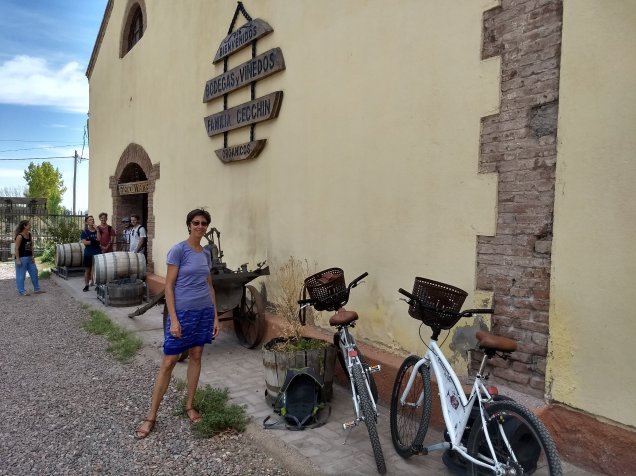
Onward to Cecchin Winery! This is a smallish, family owned organic vineyard. 20190207_114113
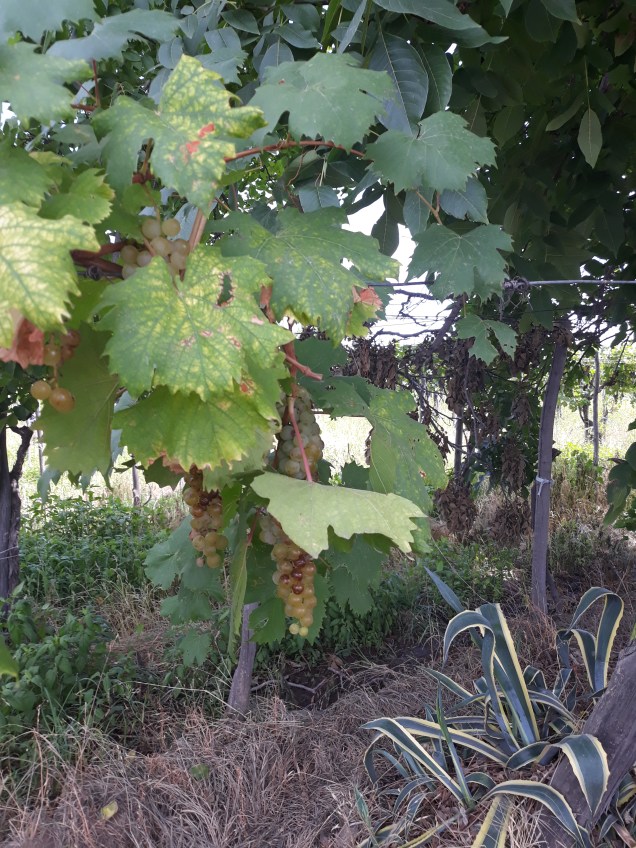
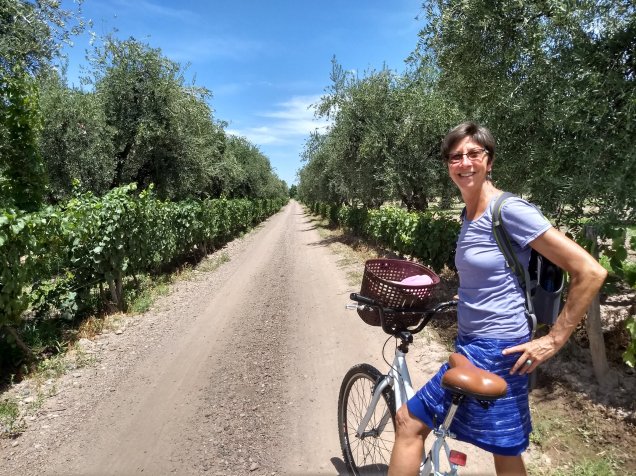
The bike ride in to this vineyard lived up to my expectations.

20190207_114355

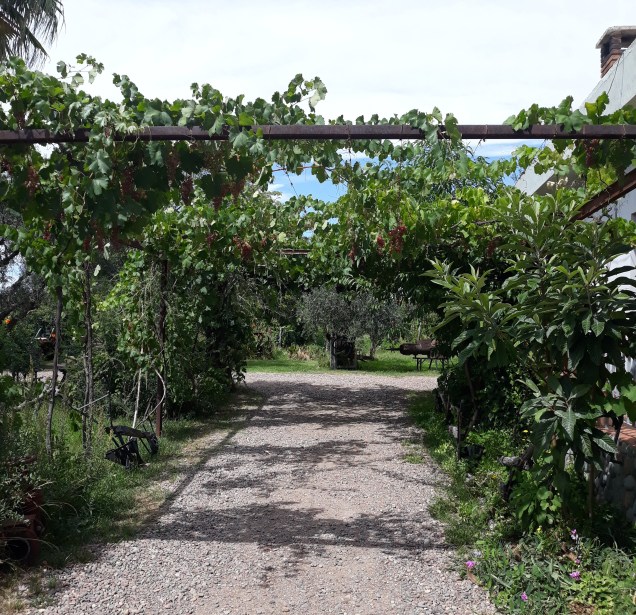
The aroma of ripening grapes under this arbor was sweet!
20190207_114930.jpg

Our guide, Cecile is from the Bordeaux region of France. She is passionate and knowledgable, taking the time to really teach us and talk with us about the wines: how to first hold it to the light or against a white paper or your palm. That the first sniff of wine is just to ensure that it has not turned. Then you swirl and sniff again. I was amazed at how the aroma changed with the introduction of oxygen. When you take a sip for a tasting, do so with an intake of air. It’s a little noisy; a little slurpy. But that’s how you get the full mouth feel and flavor. We bought a bottle.

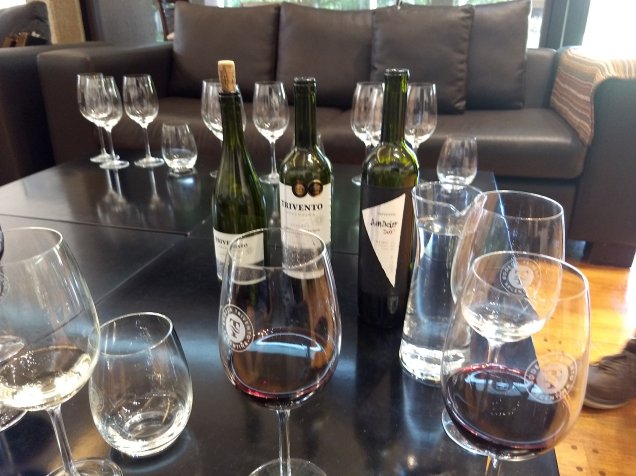
At Trevento, the next winery, the experience was completely different. Well, for one thing, we didn’t take the tour, opting for the tasting only. It is a modern complex. Where at Cecchin we walked into a building from 1878, stone and adobe and latillas, Trevento was glass and steel and leather. We sat. Three bottles were brought to us; a short introduction to each was given. We were left alone with our tasting. At least they were generous pours. We didn’t buy.

Our serious consideration of the wines was brought up short when we were joined by Gerhardt from Vienna, Austria who sought companionship and conversation. We obliged and had a thoughtful conversation ranging from travel to politics to language and history.

We had planned on visiting a third winery after lunch at a local spot recommended by Nico. We didn’t find it. By this point, we were wine high, hungry, and hot, so headed back to turn in the bikes and return to Mendoza for dinner. I was so wiped out when we returned to the hotel, the most I could manage was a cool shower and a crash into bed.

Busing

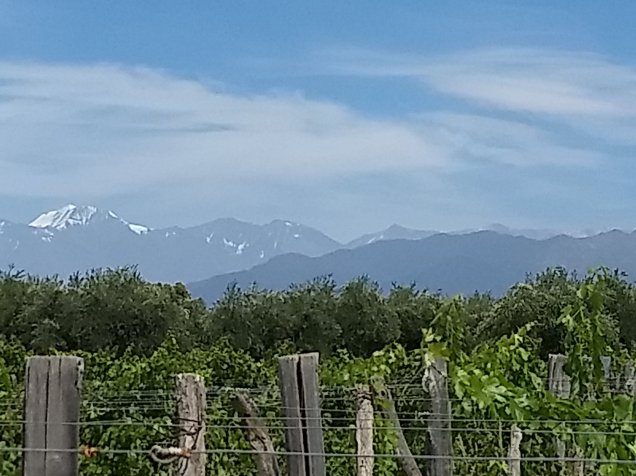
A bus ride through the Andes took the better part of the day (Thursday, 8 feb.). We left Mendoza at 9 am and arrived in Santiago, Chile around 4:30. What a ride! The Andes, from a distance don’t seem like much. But, oh, in the midst of them! I’m just going to post a bunch of photos and hope you get the idea.20190208_09385220190208_095144

20190208_09584920190208_11082120190208_11461520190208_11513420190208_12283920190208_14302620190208_14325220190208_14400620190208_150723

I look at the photos and I don’t think they really do get at the height and grandeur. They do give a glimpse into the varying geographic land forms, though, at times reminiscent of New Mexico.

Time to call it a day. Big hugs, Paula

What we’ll do for wine

There is a hazard to becoming comfortable with the Internet as a research tool. Yesterday provided more than a few reminders.

I’m something of a railroad fan, preferring riding the rails to most other forms of transportation. I’ll take subways, streetcars, fast trains, slow trains, funiculars or roller coasters. Finding out that taking the light rail to Maipu for our bicycling wine tour is not recommended by the internet experts was disappointing. The light rail station, it seems, is too far away from the wineries and bicycle rentals to make a good day of it.

Longish story made somewhat shorter: After an bus ride that took over an hour to go fifteen kilometers we were dropped off in the middle of Maipu, about a block from a winery about twelve thirty. We didn’t visit that winery since we were heading for a bicycle rental that we were confident was at the city center. Getting conflicting information from many sources we wandered a bit, finally finding someone at a bus stop who knew where we’d find a visitor information center. Along the way we happened upon an open cafe and had lunch. By this time it was close to 2PM and our hotel all carb breakfast had worn off by then.

At the visitors center we were told that the bicycle rental was at across the street from the train station. We were then provided the wrong bus numbers and bus stop location for the train station. We got to the train station about 330 and decided we should just go back to Mendoza and try again in the morning.

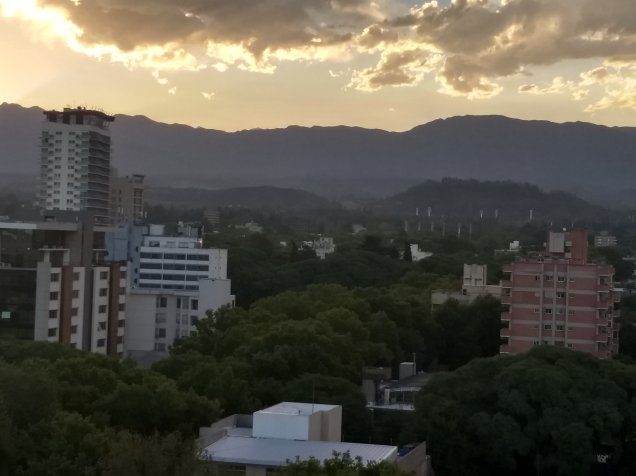
The air conditioned train took us to a few blocks from our hotel in about 20 minutes. We got home early enough to watch the sunset behind the Andes from a rooftop bar at a nearby hotel. It was a nice sunset, and difficult to photograph with a phone camera. Here is the best shot I could muster.

This morning we took the light rail to Maipu again, arriving about 10 AM, rented our bikes, bought tickets to a couple wineries and pedaled about 8 kilometers on a slight uphill grade to our first stop. It was not a winery, but an olive oil factory that provide very detailed tours and information on olive oil. We actually learned a lot we didn’t know about olive oil. The oil tasting was well done and we could not pass up purchasing a couple bottles at a very good price.

The olive oil fit easily into my back pack and we continued our uphill ride for another two kilometers to the a family run winery that produces an amazing amount of wine that is certified organic. The last 500 meters was on a gravel road through the vineyards and olive groves to a small winery.

The tour was conducted by a young woman who recently relocated to Mendoza from Bordeaux where she had worked in the wine industry. She gave an excellent tour and an informative tasting. The wines had flavors I had never experienced and I was compelled to buy a bottle and add it to my backpack.

Traveling downhill two kilometers to the next winery was fairly easy. This one was more highly mechanized and industrial and was not open for tours until later in the afternoon. We had a tasting that was unusual in my experience. A young woman had us sit on a leather sofa where she poured three generous samples, described the wines, then left us alone with the samples and left the bottles with us.

They were good wines, but we were somewhat distracted when we were joined by a young Austrian man and had an interesting conversation about travel, history and politics. He is a student of language and consequently has a deep knowledge of history, geography and culture.

We could not find the restaurant that had been recommended, and decided we’d had enough fun for one day and came back to our hotel.

We leave in the morning for Santiago, Chile.We will start our day at a rooftop restaurant for a morning view of the Andes and then walk to the bus station for a six hour ride through the Andes. I’m looking forward to that.

We’ll be in touch.